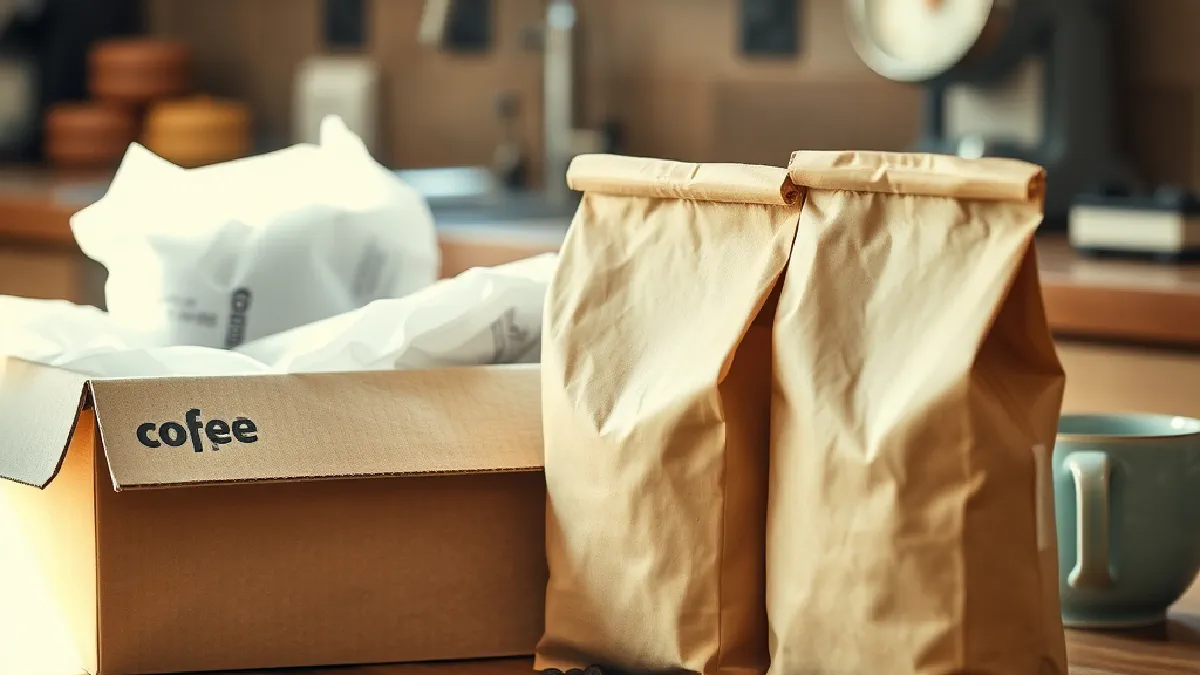
Why Bother Subscribing
A subscription solves one specific problem: remembering to buy coffee before you run out, and getting it fresh when you do. Specialty coffee is at its best roughly one to four weeks after roasting, and a subscription that roasts to order keeps you permanently inside that window instead of rediscovering a four-month-old bag at the back of the cupboard.
It is not a magic upgrade. The coffee is the same coffee the roaster sells one bag at a time. What you buy is cadence, a small discount, and a little curation.
The Three Kinds of Subscription
Most plans are one of these, and picking the wrong kind is the usual reason people cancel.
| Kind | What arrives | Best for |
|---|---|---|
| Same coffee every time | Your one house blend or single origin, repeated | You know what you like and want it to never run out |
| Rotating / curated | The roaster’s choice, changing each shipment | Learning what you like; trying origins you would not have picked |
| Reserve or competition lots | Small, expensive, unusual lots | Experienced palates who want the rare stuff and will pay for it |
The reserve tier is genuinely newer. Roasters including Passenger Coffee now run subscriptions exclusively for reserve and competition lots, a format that barely existed five years ago, according to Perfect Daily Grind .
A fourth model is the marketplace: services like Trade match you to coffees from dozens of roasters with a taste quiz and ship roasted to order. You get breadth; you give up the direct relationship with one roaster.
What It Costs
Subscriber discounts at specialty roasters are modest by design. Perfect Daily Grind describes roasters applying 5–10% off recurring orders, and notes that cutting deeper erodes margins on coffee that is already thin-margin.
A concrete example, from Counter Culture Coffee’s subscription page as listed on November 10, 2026:
| Plan | Contents | Subscriber price |
|---|---|---|
| Single-Origin, one bag | 1 × 12 oz | $21 (regular $28) |
| Single-Origin Series | 2 × 12 oz, rotating every two weeks | $39 (regular $56) |
| Blend Box | 2 × 12 oz, year-round blends | $35 (regular $40) |
Counter Culture also lists $2 off every 12 oz order for members and free shipping over $30. Shipping is the line people forget: on a single-bag plan it can swallow the whole discount, which is why two-bag cadences are usually better value than weekly singles.
Sizing the Cadence
This is the part that decides whether you love the subscription or quietly resent it. Work backwards from how much coffee you actually brew.
A standard filter dose is about 15–18 g per cup. One 12 oz bag is 340 g, so:
| Your household | Roughly per week | Sensible cadence |
|---|---|---|
| One person, one cup a day | ~120 g | One 12 oz bag every 3 weeks |
| One person, two cups a day | ~240 g | One 12 oz bag every 10–14 days |
| Two daily drinkers, a cup or two each | 250–350 g | One 12 oz bag every 8–10 days, or two every two weeks |
| Two drinkers plus an espresso habit | 500 g+ | Two 12 oz bags every 10–14 days |
Espresso burns through beans faster than it looks, partly from the dose and partly from the shots you throw away while dialing in .
When in doubt, under-order. Running out for two days is a minor annoyance; a backlog of six aging bags is the single most common reason people cancel a service they otherwise like. Coffee you are not drinking fast enough should go in the freezer in sealed portions, not on the counter — see fresh coffee, resting and storage .
What to Check Before You Sign Up
- Roast date printed on the bag. Not “roasted within two weeks”, not a best-by date. If a service will not commit to a printed roast date, it is not a freshness product. Counter Culture, for instance, states first orders ship within two business days of purchase.
- Whole bean by default. Pre-ground loses most of its aroma in days. If you do not own a grinder yet, that is the better first purchase — see coffee grinders .
- Cadence options beyond monthly. Weekly, two-week and four-week options mean you can match your real consumption. Monthly-only plans are built for the roaster’s logistics, not your cupboard.
- Pause, skip and swap, self-service. You should be able to delay a shipment from your account in one click. If cancelling requires an email to support, treat that as the warning it is.
- Roast level control. A rotating plan that only ever sends dark roasts will not teach you much. Good plans let you set a preference across light , medium and dark .
- Shipping cost and origin. A roaster three time zones away adds days in transit. All else equal, closer is fresher.
A Sensible First Move
Do not start with a twelve-month commitment to a roaster you have never tasted. Buy one bag first, brew it for a week, and subscribe only if you would happily drink it again. Our roaster samples are a cheap way to taste several before committing, and the how to read a coffee bag guide covers what the label is telling you when it arrives.
Then set the cadence one notch slower than you think you need. You can always speed it up.